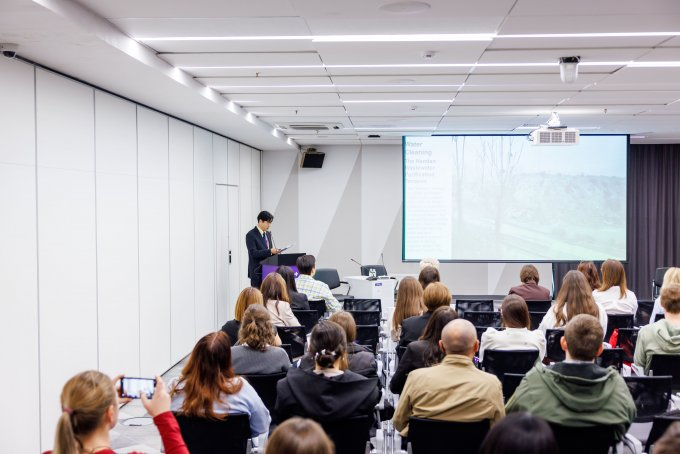
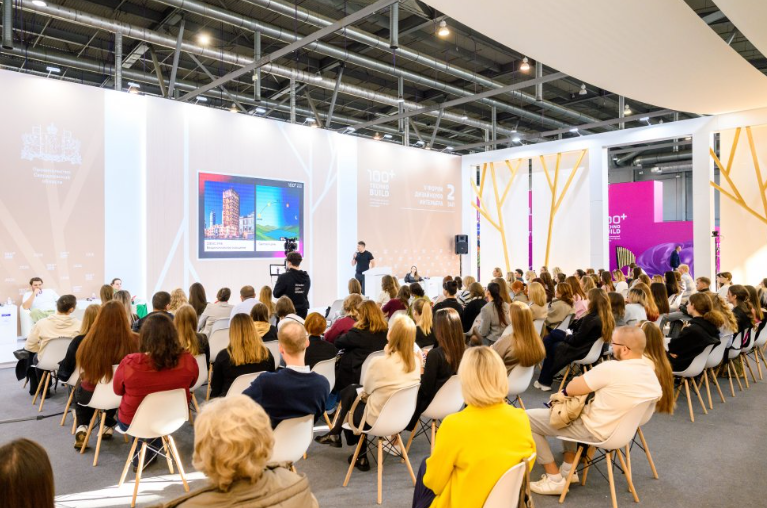
Focusing on the Future of Human Settlements: 100+ TechnoBuild International Forum Concludes, Chinese Ecological Design Empowers Global Urban DevelopmentRecently, the 13th 100+ TechnoBuild International Construction and Building Forum and Exhibition concluded successfully in Yekaterinburg, Russia. As the largest and most influential industry event in the Russian construction and building sector, this year's exhibition took place across two exhibition halls at EXPO Yekaterinburg, bringing together more than 500 industry enterprises, over 90 building materials manufacturers, and 45 engineering equipment suppliers. A total of 220 thematic forums, international conferences, and roundtable discussions were held, with nearly a thousand representatives from government and enterprises, research scholars, and architectural and landscape designers gathered on site to engage in in-depth exchanges on cutting-edge topics such as urban renewal, future human settlements, ecological construction, digital technologies, mentally healthy architecture, and extreme site design.
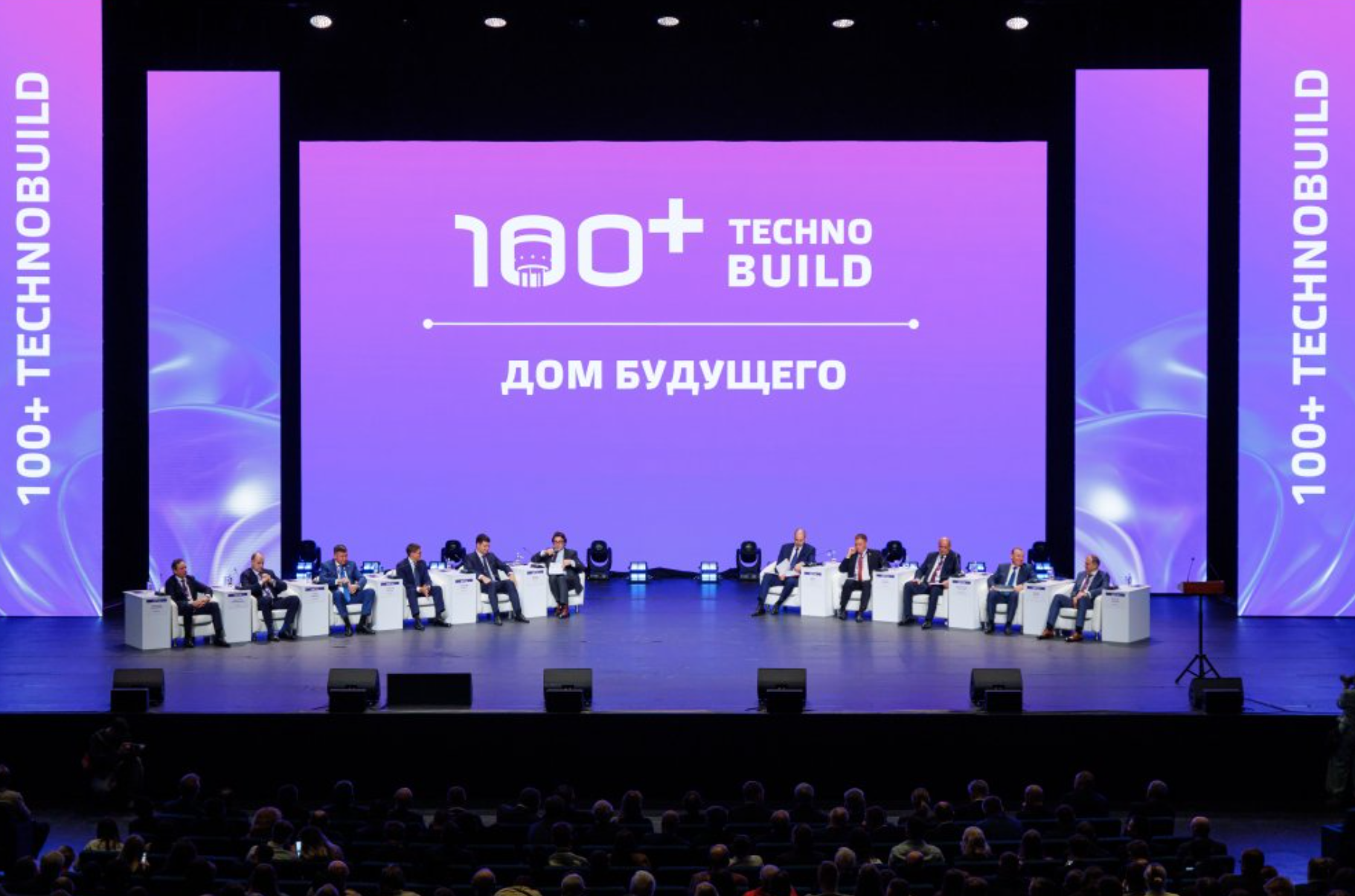
Event scene ©️100+ TechnoBuild This forum centered on the core theme of the "Home of the Future," redefining the core of future human settlement development. Authoritative experts at the event pointed out that modern human settlement spaces have long transcended the limitations of the building itself, evolving into composite ecosystems in which architecture, landscape, and the natural environment coexist. Ecological low-carbon development, digital transformation, regenerative biological materials, building energy autonomy, and variable spatial adaptability have become core trends in future construction. At the same time, the industry reached a consensus: cutting-edge construction technologies and design concepts cannot be directly copied but must be localized in accordance with regional climate, urban fabric, site conditions, and the real needs of the public. The forum also innovatively explored neuroarchitecture, proposing that noise, crowding, and lack of greenery in high-density cities can easily trigger mental exhaustion among the population, while natural landscapes and high-quality public spaces can effectively restore the physical and mental state of residents, filling the gap in traditional building codes that emphasize physical safety while neglecting humanistic healing. In addition, the forum predicted that the future popularization of low-altitude transportation will completely rewrite the logic of urban human settlement site selection and district development, reshaping the spatial pattern of cities.
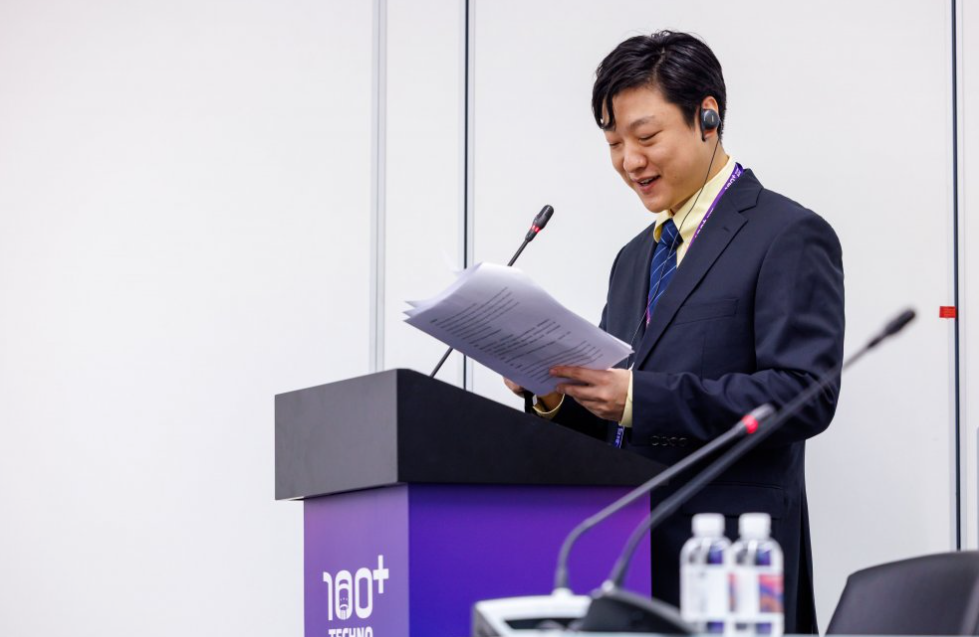
Yu Hongjin, Chairman of Turenscape, speaking on site The three-day "Architecture Marathon" was a core highlight of this forum, focusing on sustainable urban environment creation and the transmission of long-term value, and bringing together top Chinese and Russian design teams to share benchmark practices. Among them, the renowned Chinese design firm Turenscape was invited to make a major appearance, with Chairman Yu Hongjin and Chief Design Director Huang Jinyi leading the delegation, systematically presenting China's ecological design philosophy and implementation experience to the international industry and demonstrating the strong capabilities of Chinese design going global.
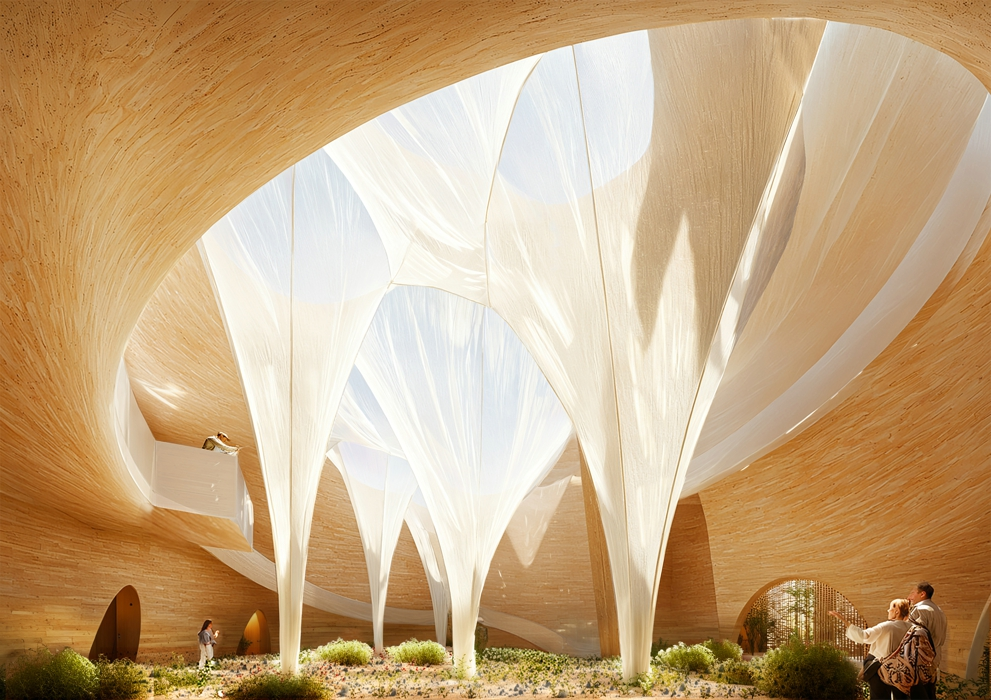
Hami Pterosaur Museum, Xinjiang ©️turenscape At the sharing session, Huang Jinyi provided a detailed interpretation of the Hami Pterosaur Museum project in Xinjiang in the context of adaptive design for extreme landforms. The project is located in a harsh site in the Gobi Desert characterized by extreme high temperatures, strong sandstorms, hyper-aridity, and enormous diurnal temperature differences. Abandoning the traditional confrontational approach to construction, it employs lightweight strategies such as semi-underground earth-sheltered structures, membrane-structure sand-guiding and daylighting systems, passive natural cooling, closed-loop water resource recycling, and clean energy self-sufficiency to achieve harmonious coexistence between architecture and desert nature, providing a mature Chinese solution for integrated architectural and landscape design in extreme sites worldwide.
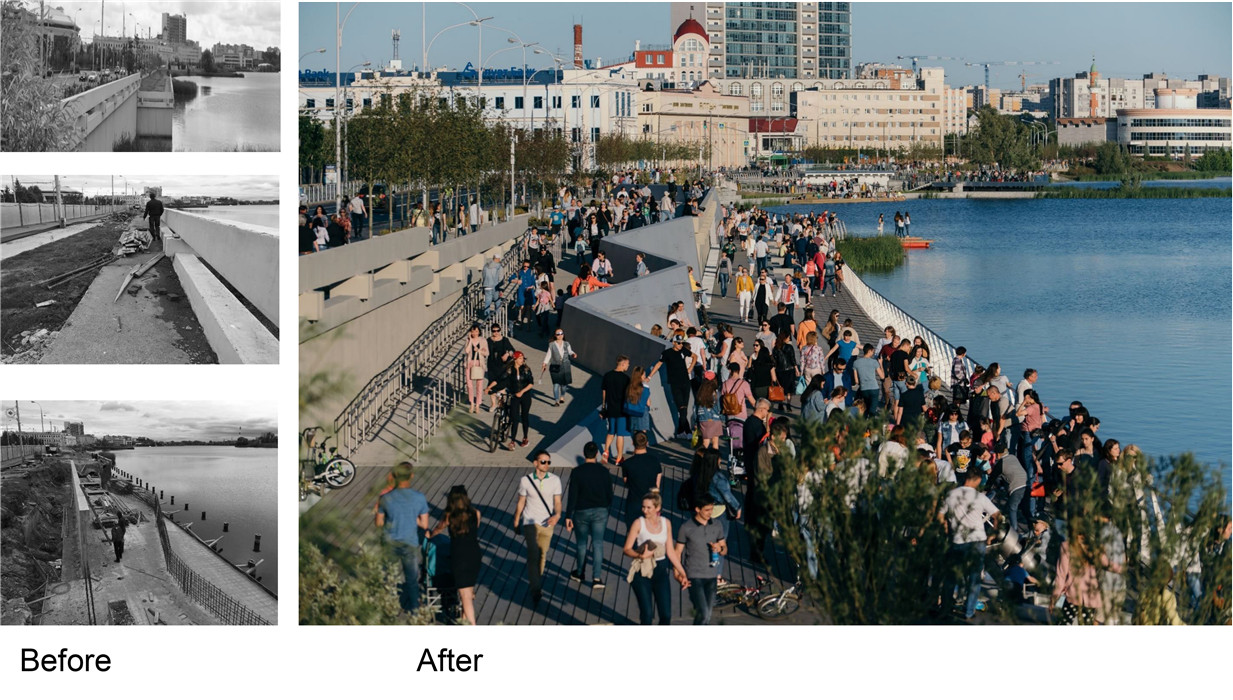
Kaban Lake Waterfront Renewal Project, Kazan, Russia ©️turenscape At the same time, the team highlighted a benchmark overseas implementation project of Turenscape—the Kaban Lake Waterfront Renewal Project in Kazan, Russia. As a typical outcome of Chinese design being implemented in Russia, the project relies on the core concept of sponge cities to systematically restore abandoned and polluted urban shorelines, reconstruct ecological water systems and public leisure spaces for all, and thoroughly revitalize the urban vitality of the district. The project has achieved outstanding results on the ground and has been highly recognized by the local government of the Republic of Tatarstan and industry leaders, becoming a model case of China-Russia ecological design cooperation.
Event scene ©️100+ TechnoBuild In response to the current industry-wide discussion of AI-driven digital design trends, Yu Hongjin shared a rational perspective based on the current state of the industry and practical experience. He stated that artificial intelligence can greatly compress the cycle of scheme design and iteration, efficiently completing basic work such as data analysis, scheme simulation, and material integration, improving quality and efficiency in the design industry. However, AI has an inherent "algorithmic hallucination," and its outputs can easily become disconnected from actual site conditions and violate implementation standards. A designer's in-depth judgment and humanistic control over site fabric, regional culture, and the spirit of place are core values that artificial intelligence cannot replace.
Event scene ©️100+ TechnoBuild During the same period, the forum also held the 100+ Awards for architectural engineering, selecting Russia's top public architecture, cultural and museum architecture, and educational architecture works from dimensions such as engineering technology, structural innovation, and architectural aesthetics, and conducted in-depth discussions around dimensions including activating the potential of urban districts, regional development policies, and city-wide operations. Turenscape's overseas voice not only demonstrated the technical strength and innovative concepts of China's ecological landscape design but also promoted the internationalization of China's original design systems such as sponge cities and Nature-based Solutions, injecting a new Eastern force into global future human settlements and urban ecological renewal. Image source: 100+TechnoBuild Original text: https://rcmm.ru/arhitektura-i-proektirovanie/75070-100technobuild-2026-viden-li-dom-buduschego-iz-nastojaschego.html |